

1. Overview of Protective Layering: Purpose and Limitations
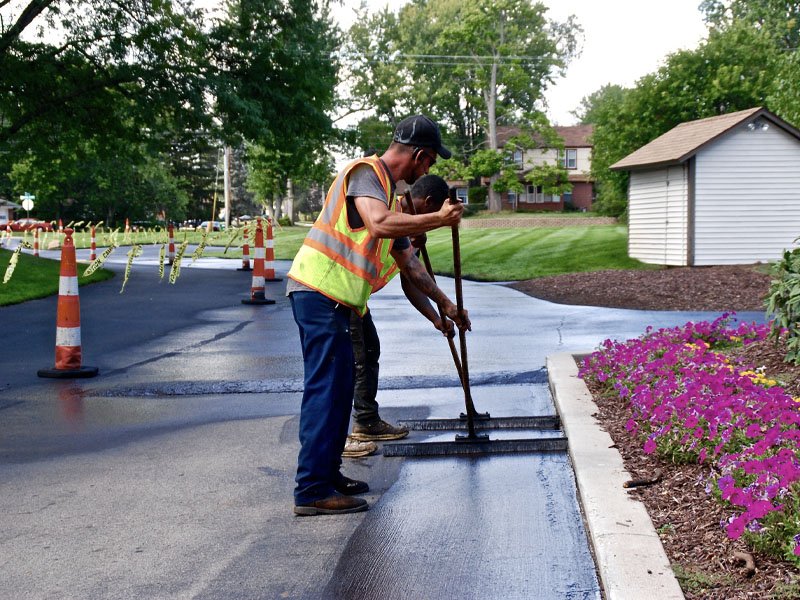
What is sealcoating?
When we apply a sealcoat, we’re spreading a specialized liquid blend of asphalt emulsion, polymer additives, mineral fillers, and fine aggregate right over your pavement. What does that actually do for you? It locks into those tiny surface pores, blocks out moisture, slows down sun-bleached oxidation, and leaves behind a clean, jet-black finish. It also gives your surface an extra layer of defense against heavy tires, UV rays, and chemical spills. That matters because a proper coat keeps your asphalt durable and performing like new, saving you money on costly repairs down the road.
Main purposes of this protective layer—why does it matter so much? It blocks moisture, slows oxidation, shields against UV exposure, resists chemical damage, reduces wear from traffic, and helps maintain a clean, uniform appearance while extending overall lifespan.
Have you ever noticed how the baking sun slowly drains the life right out of your pavement? Over time, relentless UV rays and oxygen break down the asphalt’s binder—drying it out, robbing it of its flexibility, and leaving the foundation weak. It creeps up on you, but the right protection changes the whole game. When we lay down a quality sealcoat, we give your surface a barrier that slows oxidation in its tracks, locks in flexibility, and stops cracking and fading before it starts. If you want your driveway to last longer without draining your wallet on costly repairs, that’s exactly what our sealcoating delivers.
What about moisture—just a small concern? Not at all. Once water slips into tiny cracks, freeze–thaw pressure builds from within. A protective layer resists that intrusion, helping maintain strength and stability through seasonal shifts.
And appearance—does it really matter? It does. A refreshed, deep-black finish instantly improves visual appeal and masks discoloration, giving any surface a clean, well-kept look.
What about everyday wear? Even light abrasion adds up. That same layer helps reduce minor surface wear and shields against spills like petroleum or de-icing residue.
So what’s real value here? Strength, protection, and appearance—all working quietly to keep surfaces performing and looking better for longer.
How often should a surface get protected? Every two to four years works in most cases—but do usage, climate stress, and current condition affect timing? Absolutely. Want longer life and a strong, clean look? That’s achievable with well-timed care. But can this kind of treatment rebuild a failing base or replace major fixes? No—and assuming so only leads to bigger costs later. So what’s a smarter way to see it? As practical upkeep, not a miracle fix. Give attention at right moment, and that surface delivers lasting durability and confidence under every tire that rolls across it.
However, this protective layer has its limits. It’s a thin barrier that can easily suffer from physical wear or chemical reactions. When clearing frozen buildup or using harsh melting agents too forcefully, the top layer can start to break down early — showing cracks, peeling, separation, or losing its shielding ability long before expected.
Primary Weak Points of Treated Driveways
Because that top protective layer acts like a “skin” for a driveway or lot, weak spots tend to show up most during colder months—why ignore early signs when quick action can prevent bigger damage?
Abrasion and scraping matter—why let physical contact wear protection away? Plow blades, shovels, or metal parts can scratch or strip that layer, exposing what’s underneath and speeding up damage.
Chemical penetration matters—why let de-icing salts weaken protection from within? Penetration into that layer can reduce binder and filler adhesion, leading to faster breakdown and reduced durability.
Freeze–thaw stress matters—why let trapped moisture break that bond? Water or melt slipping into microcracks freezes, expands, and weakens adhesion, leading to faster deterioration.
Differential thermal expansion matters—why let temperature swings break that bond? Expansion and contraction can cause a weakly adhered layer to crack or delaminate, leading to faster deterioration.
Under-film cracking and delamination matter—why let movement below break protection above? Substrate shifts or cracks place stress on that layer, causing flaking, separation, and faster deterioration.
So, while a protective layer offers strong defense in many conditions, cold-season elements bring a unique set of challenges—why ignore that added stress when early awareness keeps surfaces stronger and longer-lasting?
2. Common De-icing Salts & Chemicals
Ever wonder how de-icing chemicals work? Curious why ice suddenly loses its grip even in brutal cold? Simple truth—those compounds lower water’s freezing point, pushing solid ice to turn into liquid even when air feels biting and unforgiving. Sounds almost like magic, right? Not magic at all, just science stepping in with precision, breaking stubborn ice and making cold conditions far less dangerous.
Where used? Driveways, parking areas, walkways—any place needing safe traction.
Why understand this first? Better knowledge leads to smarter use and less damage over time.
Common Winter Treatment Types and Their Characteristics
Common de-icing and anti-icing chemicals—what’s typically used and why does it matter? Options include sodium chloride (rock salt), calcium chloride, magnesium chloride, potassium chloride, and urea-based products, each chosen for melting performance and temperature range. Understanding how each behaves helps limit damage and choose safer strategies.
| Chemical | Formula / Type | Effective Temperature Range | Notes / Issues |
|---|---|---|---|
| Sodium chloride (rock salt) | NaCl | Down to about –9 to –18 °C (15 to 0 °F) | Most common & cheapest; can cause corrosion and environmental damage. |
| Calcium chloride | CaCl₂ | Effective down to –25 °C or lower | More costly; exothermic reaction; more aggressive. |
| Magnesium chloride | MgCl₂ | Effective to about –15 to –20 °C | Often used in blends; “milder” alternative. |
| Calcium magnesium acetate (CMA) | (Ca, Mg)(CH₃COO)₂ | About –7 to –10 °C (varies) | More environmentally friendly; less corrosive. |
| Potassium acetate, potassium formate, sodium formate | KAc, KFormate, NaFormate | Varies | Often used on airport surfaces or sensitive areas. |
| Urea (carbamide) | CO(NH₂)₂ | Limited performance | Less effective at very low temps; nitrogen-based runoff. |
Why does lowering water’s freezing point even matter? It matters because ice can melt at temperatures where it normally wouldn’t, keeping surfaces safer and easier to manage. How does that happen? Freezing point depression changes how water behaves under cold conditions, letting melting continue even below usual limits. Want faster results in harsher cold? Calcium chloride steps in, releasing heat as it dissolves—doesn’t that give it an edge? It absolutely does, accelerating melting and boosting effectiveness when temperatures drop hard. Isn’t that exactly what makes winter treatment more reliable and efficient?
They are applied in solid or liquid (pre-wetting or brine) form, often in calibrated dosages. Overuse or spreading residuals may amplify negative effects.
How de-icers work and potential side effects
What really makes chemicals so effective at breaking down frozen layers? It comes down to two powerful processes working in sync. How does melting continue even in biting cold? Freezing point depression shifts water behavior, allowing ice to melt at temperatures far below normal limits—pretty impressive, right? And what gives certain compounds an extra boost? Some release heat as dissolution happens, creating added energy that speeds up melting. Doesn’t that combination make removal quicker and far more efficient? It absolutely does, turning harsh winter conditions into something far easier to handle.
Why does keeping water liquid longer really matter? Because extended liquid presence invites more freeze–thaw cycles—sounds small, but impact runs deep. What happens during those repeated cycles? Moisture seeps further into cracks and tiny openings, settling in where it can do more harm. And when temperatures drop again? Expansion kicks in, pushing outward from within and stressing structure over and over. Doesn’t that repeated pressure speed up damage? It absolutely does, gradually weakening integrity and turning minor flaws into serious structural issues.
Chemical interaction matters—why let salts break down material from within? Chloride ions, along with sodium, calcium, magnesium, and acetate compounds, can diffuse into pavement matrix, interact with binder or mineral fillers, and weaken adhesion or cohesion over time. Some salts are hygroscopic, drawing moisture into surface zones, which accelerates deterioration and reduces durability.
In short, de-icers play a key role in winter safety—yet chemical stress still affects both treated and untreated driveways and pathways. Why overlook that impact? Awareness helps guide smarter use and better long-term protection.
3. Mechanisms: How De‑icers & Winter Clearing Practices Damage Treated Driveways
Ready to see what winter really does beneath surface? Damage doesn’t come from one cause—it builds from multiple forces working at once.
Chemical reactions begin to weaken materials from within. Mechanical wear from clearing methods adds friction and stress. Temperature swings drive expansion and contraction, turning small flaws into larger breaks.
And beneath it all? Structural strain grows as each factor compounds.
So what’s truth here? Harm comes from a combined effect—chemistry, physical force, shifting temperatures, and internal stress all pushing surfaces toward gradual failure.
3.1 Chemical degradation & weakening of the seal layer
Penetration and diffusion of chloride ions
Ever wonder what happens after de-icing chemicals hit a treated surface? Meltwater carrying salts seeps into tiny cracks and pores, slipping beneath that outer layer. Harmless at first? Not quite.
Inside, chloride ions interact with binder and filler, weakening adhesion and altering internal structure. What follows over time? Repeated exposure lets more salts penetrate, slowly breaking that bond.
Result? Peeling and flaking begin to show. Small chemical changes turn into visible damage—proving deterioration often starts from within, not just on surface.
Salt-induced weakening of binder and surface “stripping”
Ever heard of a “stripping” effect—what does it really mean? It’s when salt exposure weakens bond between binder and fine particles, causing separation within that protective layer.
Why does that matter? Once adhesion starts to fail, strength drops fast and surface becomes vulnerable to further wear.
Is it similar to what happens in concrete? In many ways, yes. Salt can chemically interfere with material structure, especially when that layer is already worn or poorly formulated.
So what’s takeaway here? Salt doesn’t just sit on top—it can quietly break internal bonds, leading to gradual but serious deterioration.
Some industry sources warn that “de-icing salts gradually damage protective layers” over time.
Hygroscopic moisture attraction
Ever wonder why some salts leave surfaces damp for so long? It comes down to a trait called hygroscopic behavior—magnesium chloride pulls moisture right out of air and holds it close to treated layer. Why does that matter? Because constant moisture lingers instead of drying out, keeping conditions wet far longer than expected. And what does that lead to? More penetration, more repeated freezing cycles, and a higher chance of gradual wear. Doesn’t that explain why certain areas never seem to fully dry? It absolutely does, revealing how chemistry quietly shapes long-term surface performance.
Sounds minor? Not quite. Constant dampness slows drying, allowing deeper salt penetration and more frequent freeze–thaw action.
What happens over time? Prolonged moisture weakens that protective layer, reducing durability and making damage more likely.
3.2 Mechanical / physical damage by snow removal
What causes some of the worst surface damage during winter? Mechanical force plays a huge role—think plow blades, metal edges, shovels, and blower augers grinding against a protective layer. How does that damage actually happen? Sharp edges scrape across surface, shaving material little by little, while repeated passes wear it down faster than expected. And what about heavier equipment? Rotating augers and rigid blades press hard, cutting into weak spots and widening small flaws. Doesn’t that constant contact add up over time? It absolutely does, gradually stripping protection away and leaving structure more exposed to deeper damage.
What happens when plows or shovels make direct contact with a treated area? Scraping and abrasion take over, chipping away at that protective layer little by little. Why do edges and high-stress spots suffer most? Because those areas face more pressure and friction, making them easier to wear down. And what does that repeated contact lead to? Gradual loss of protection, exposing underlying surface to further stress and damage. Doesn’t that explain why small worn spots can quickly turn into bigger problems? It absolutely does, showing how even routine clearing can quietly accelerate deterioration.
Edge damage matters—why let small lifted areas spread? Plows can peel or lift outer edges, forming raised lips that grow over time and lead to wider failure if not addressed early.
Edge delamination matters—why let repeated contact weaken seams? Ongoing stress can trigger cracking at joints, leading to separation of that layer and faster breakdown if left unchecked.
Crack widening matters—why let plow pressure turn small fissures into bigger failures? Force along existing cracks can act like chiseling, expanding gaps and causing that protective layer to tear or lift, leading to faster deterioration.
Snowblower churn matters—why let rotating parts scratch surface? Auger or impeller, especially metal, can incise and wear down that protective layer, exposing underlying material to faster damage.
Reduce damage with smarter methods—why risk unnecessary wear? Use plastic or rubber-edged blades, apply gentle clearing techniques like lifting blades before contact, and avoid high-pressure washing or aggressive scraping on treated areas to keep protection intact.
3.3 Freeze-thaw undercutting and internal stress
Ever notice how winter doesn’t just pass quietly—how it keeps testing every inch of a surface? When melting runoff or chemical treatments begin to work, moisture finds a way in, slipping into tiny gaps or settling beneath a protective layer. Seems harmless at first, right? Not quite. Once temperatures fall again, that trapped water expands, pushing from within and building pressure where strength matters most.
What happens after repeated cycles like that? Bonding starts to give way. That once-solid finish begins to lift, peel, even fracture over time.
And what about de-icing chemicals—helpful or harmful? Both. While helping melt ice, it keeps water in liquid form longer, allowing deeper penetration and more frequent freeze-thaw action. More cycles mean more stress, plain and simple.
Now consider another hidden factor—materials reacting differently to cold and warmth. When a surface layer and base expand at different rates, stress builds inside that film. If adhesion has already weakened, damage accelerates fast.
So what does all this really mean? Winter isn’t just seasonal change—it’s a constant pressure test. And without proper resilience, even a strong finish can slowly break under that strain.
3.4 Accelerated crack and pothole propagation
Think a surface layer doesn’t matter much since it isn’t structural? That assumption can cost a lot. Once that barrier weakens, a chain reaction quietly begins—one that speeds up deeper damage far faster than expected.
How does damage really unfold over time? Step by step, with each stage building on last. What begins first? A thin layer wears down under repeated contact and shifting conditions—almost invisible at first. What comes next? Small cracks and tiny openings form, letting moisture slip deeper inside. And once moisture settles in? Freeze–thaw cycles expand weak points, pushing material apart from within. Does that pressure stay contained? Not at all—it spreads, widening flaws and weakening structure further. What shows up in later stages? Surface loss, deeper fractures, and clear deterioration take hold. Doesn’t that chain reaction explain how minor wear turns into major damage? It absolutely does, proving how gradual change leads to serious impact.
Mechanical or chemical stress starts wearing down that outer layer. Small flaws appear—barely noticeable at first. Harmless? Not at all. Those weak spots invite moisture in, slipping through vulnerable points and settling below.
What happens when cold returns after moisture settles deep inside? Trapped water freezes, expands, and pushes outward with surprising force. Why does that matter so much? Because pressure builds within cracks and tiny voids, stressing structure from inside out. And when temperatures rise and fall again? Cycle repeats, each time forcing those openings wider. Doesn’t that constant expansion turn small flaws into serious damage? It absolutely does, gradually breaking down strength and leaving surface more vulnerable with every freeze.
And beneath that? Foundation begins to suffer. Cracking spreads, support weakens, and aggregate starts losing its grip with binder. Stability fades from inside out.
What does that look like on surface? Edges begin to flake. Small holes form. Cracks multiply. Damage that once seemed minor now becomes visible and harder to ignore.
Eventually, that top layer fails completely, exposing everything underneath to even harsher conditions. At that point, deterioration accelerates fast.
So what’s real takeaway here? Early surface damage isn’t just cosmetic—it’s a warning signal. Catching it early means protecting what lies beneath. Ignoring it allows deeper failure to take hold, where repairs become far more serious and costly.
4. Evidence: Research & Case Studies
4.1 Research findings
Isn’t it surprising how little long-term academic research exists on how de-icing salts affect treated driveways or parking areas? Most earlier studies focused on untreated roadways, leaving a gap in understanding for modern surface finishes. One older TRB study—“Performance of Roadways Subjected to De-Icing Salts”—even reported no clearly “noticeable harmful effects” on road mix under its test conditions. Sounds reassuring, right? Not entirely. Those conditions don’t fully reflect today’s treated surfaces or real-world wear.
So what should be believed—research findings or field experience? Here’s where reality steps in. Across industry guides, contractor insights, and field observations, a consistent pattern appears: de-icing salts do play a role in surface deterioration, especially when combined with mechanical stress like plowing or traffic.
Why such a difference between lab results and real-world outcomes? Controlled studies isolate variables, while actual environments stack multiple stress factors at once—moisture intrusion, freeze-thaw cycles, friction, and chemical exposure all interacting together. That combination changes everything.
What does that mean moving forward? While academic data may seem limited or cautious, practical experience paints a clearer picture—one where de-icing salts contribute to gradual breakdown, not always alone, but as part of a larger chain of stress.
4.2 Practitioner- / contractor-based observations
Ever wonder why winter care advice sounds so consistent across different sources? From contractor blogs to maintenance guides, a clear message keeps showing up—freezing cycles and chemical agents don’t act alone, they team up to wear surfaces down.
Take guidance from GreatSealcoating, for example. It highlights how freezing and thawing create cracks, while de-icing chemicals weaken that outer layer. Simple tools like plastic shovels instead of metal equipment—does that really matter? Absolutely. Less abrasion means less opportunity for damage to begin.
Another contractor insight raises an important point: salt lowers water’s freezing point, keeping moisture active longer. Helpful in moment? Yes. But what follows? More frequent freeze-thaw action, wider cracks, and gradual peeling across surface.
A snow-removal and asphalt care guide adds even more clarity. Salt may not directly break down asphalt, but it keeps water from freezing right away—allowing it to seep deeper and repeat expansion cycles. Result? Potholes form faster and existing damage grows.
Some industry voices go even further, warning that heavy use of de-icers can be especially harsh on asphalt, calling it one of winter’s biggest threats when overapplied. Sounds extreme? Maybe—but field experience often backs that concern.
So what’s really happening beneath all of this? Small choices add up. Chemical exposure, mechanical stress, and temperature swings combine into a steady pressure that weakens structure over time.
Ever notice how repeated use of melting agents seems to slowly wear everything down? Quick relief feels like a win in moment—but what’s left behind? Tiny cracks, shallow dips, and hidden weaknesses that spread quietly.
Can something that subtle lead to bigger problems? Without question. Every small opening invites deeper deterioration and rising repair costs.
So what’s a smarter path forward? Thoughtful winter practices make a difference. With Alblaster Snow Removal guiding each step, better decisions help preserve strength, extend lifespan, and keep every surface performing reliably season after season.
4.3 Synthesis and gap analysis
From a holistic view:
Does older research tell whole story? Not really. It shows limited direct salt damage to main asphalt, but doesn’t cover thin surface layers or modern sealant chemistry.
What does that mean? Even if base holds strong, outer layers may still weaken—opening door to deeper problems over time.
Hands-on experience clearly shows that treated driveways and parking areas are highly susceptible to damage from both de-icing chemicals and physical stress, especially after multiple cold seasons.
Wonder why so much of this conversation leans on observation instead of hard numbers? Real-world patterns offer insight, sure—but without controlled testing, certainty stays limited. Does that mean stronger answers can’t exist? Not at all. What’s needed is side-by-side evaluation under consistent conditions—comparing protective blends, chemical melt exposure, and clearing methods while tracking measurable outcomes like durability, cracking rate, and material loss. When variables get isolated and results get quantified, guesswork fades. That’s how opinion turns into proof—and how real confidence gets built.
Do precautions during winter really make a difference? Industry experts say yes—and for good reason. Why take that extra care? Because cold, moisture, and constant use can quietly wear down treated driveways and parking areas. What happens without those precautions? Damage builds faster, integrity weakens, and repairs become more likely. So what’s smarter? Staying proactive during winter helps preserve strength, extend lifespan, and avoid costly surprises. Doesn’t a little caution now protect a lot later? It absolutely does.
5. Best Winter Clearing Practices to Protect Treated Driveways and Parking Areas
Winter clearing—simple routine or hidden risk? Small adjustments can make a big difference in protecting treated surfaces.
So what works best when cold weather hits? Smart, gentle methods that reduce stress instead of adding to it.
Start with tools. Why risk harsh scraping? Plastic or rubber-edged blades help reduce surface wear compared to rigid steel. Less friction means less damage over time.
What about technique? Keeping a slight gap while clearing—especially on even ground—prevents direct grinding against surface. Sounds minor, but that small space protects integrity.
Timing matters too. Light pre-treatment before snowfall helps prevent strong bonding between ice and ground. Easier removal later means less force needed—always a win.
Using equipment? Make sure moving parts don’t dig into surface. Adjustments like skid shoes keep contact controlled and prevent unnecessary scraping.
Ever notice how repeated passes wear things down? Each pass adds abrasion and stress. Why not reduce it? Fewer, controlled passes limit damage and help surfaces last longer.
Direction also plays a role. Consistent movement avoids reworking same paths again and again, lowering risk of surface wear.
And edges? Often overlooked, yet highly vulnerable. Gentle handling near curbs and joints prevents chipping and gouging where damage tends to start.
What about snow piles? Stacking in same area adds weight, moisture, and prolonged exposure. Moving buildup to open or landscaped areas helps reduce that pressure.
So what’s real takeaway? Winter clearing isn’t just about removal—it’s about method. Thoughtful choices protect strength, reduce long-term wear, and keep surfaces holding up season after season.
Timing and strategy
Why let snow and ice settle in and harden? Early removal keeps that bond from forming, reducing stress and avoiding heavy force later. Faster action means less damage and less reliance on harsh chemicals—simple and effective.
Using more melting agents—does it help? Only in moderation. Excess adds chemical strain and increases runoff impact. Just enough keeps conditions safe without overloading surface.
What about leftover salt? Leaving it behind invites ongoing exposure. Sweeping it away once melting is done helps prevent gradual breakdown.
Does temperature really matter? Absolutely. What happens when it’s too cold for de-icers to work? Heavy application adds stress without delivering real results. So what makes a difference? Timing. Applying at right moment improves effectiveness and avoids unnecessary strain. Doesn’t smart timing beat overuse every time? It absolutely does.
And hot water or pressure? Seems like a quick fix, but it drives moisture deeper, leading to internal damage. Gentle methods always win in long run.
Communication and training
Think skill makes a difference? It absolutely does. Well-trained crews know how vulnerable treated surfaces can be—lifting blades, avoiding scraping, and handling edges with care keeps damage from starting.
What about planning ahead? Smart route mapping highlights sensitive zones, guiding slower movement and lighter force where it matters most. Less pressure means less wear.
And after clearing—job finished? Not quite. Regular checks catch early signs like scratches or peeling before issues spread.
So what’s real benefit here? Careful handling, thoughtful planning, and steady monitoring help protect surfaces and reduce costly repairs over time.
By using gentler clearing methods along with careful timing and moderate use of de-icing chemicals, you can greatly minimize damage to treated driveways during winter maintenance.
6. Alternative De-icing Strategies Less Harmful to Sealcoats
Worried about damage from chemical salts? Many property managers and homeowners are—so what’s a better approach? Turning to alternative or added methods can reduce wear while still keeping walkways and driveways safe. Why rely on harsh solutions alone when smarter options exist? Using gentler treatments, better techniques, and balanced strategies helps protect surfaces without sacrificing safety. Doesn’t that sound like a more reliable way to handle winter conditions? It absolutely is, offering safety without unnecessary long-term damage.
Use of lower-impact de-icers
Calcium magnesium acetate (CMA): A milder, less corrosive option that is regarded as safer for concrete and driveways.
Magnesium chloride blends: While still a chloride, magnesium chloride is often considered milder than sodium chloride when used appropriately.
Potassium-based chemicals: Substances such as potassium acetate and potassium formate are often used in areas where environmental impact is a concern, including airports.
Organic-based additives or alternative mixes: Some de-icers include beet juice, agricultural byproducts, or proprietary additives that reduce chloride loads.
Are alternative de-icing options worth higher cost? In many cases, yes. While price may be higher upfront, value shows up where it matters most. Why spend more? For important or high-value driveways and parking areas, added investment helps reduce long-term damage and maintenance. And what does that lead to? Better durability, fewer repairs, and stronger overall performance. Doesn’t that make added cost feel more like a smart investment? It absolutely does.
Pre-wetting or brine systems
Why apply brine before snowfall instead of waiting? Because it works ahead of storm, reducing how much solid salt gets used later. How does that help? Brine spreads evenly and starts working right away, making melting more efficient with less material. And what about surface wear? Fewer harsh crystals mean less abrasion and less leftover buildup. Doesn’t that make winter treatment both smarter and gentler? It absolutely does, improving performance while reducing long-term impact.
Anti-icing strategies
Why wait for freezing to take hold when buildup can be stopped early? Preventive treatment works ahead of conditions, keeping ice from bonding in first place. How does that help? Less chemical use, less aggressive clearing, and far less stress on surfaces. And what’s result over time? Reduced wear, fewer repairs, and more consistent safety. Doesn’t acting early just make more sense? It absolutely does.
Use of traction materials rather than melt
Need traction without chemical stress? Sand, fine aggregates, or grit offer a simple answer. No chemical reaction, no internal weakening—just added grip when conditions get slick. One catch? Residue builds up, so cleanup matters to keep drainage flowing.
Looking for similar options? Ash, cinders, or non-corrosive grit blends follow same idea—purely mechanical traction without melting action. Less chemical impact, more control underfoot.
Heated pavement systems (where applicable)
Want a way to handle winter without constant chemical use? In high-traffic spots like entrances, ramps, and driveways, built-in radiant or hydronic heating can keep surfaces clear from below.
How does that help? Heat prevents ice from bonding in first place, reducing or even eliminating need for melting agents. Less chemical exposure means less stress on protective layers and what lies beneath.
Cost higher upfront? Yes. But what comes in return? Cleaner surfaces, less maintenance effort, and longer-lasting performance.
So what’s real advantage here? A proactive system that protects from within—keeping critical areas safer while preserving structural integrity over time.
Localized micro-treatment
Why cover an entire area when only certain spots need attention? Targeted application focuses on corners, walkways, and inclines—places where slipping risk is highest. How does that help? It cuts down on excess chemical use and reduces unnecessary exposure. And what about efficiency? Modern spreading equipment with sensors delivers precise coverage, avoiding waste. Doesn’t that make treatment smarter and more controlled? It absolutely does, improving safety while limiting overuse.
When paired with careful mechanical clearing, applying de-icers selectively reduces chemical contact on large treated areas.
7. Winter Preparation & Maintenance (Pre-Winter Stage)
Before winter shows up at door, are simple steps in place to avoid major repairs later? A little preparation now strengthens treated driveways and walkways against freezing, moisture intrusion, and heavy wear—why wait for problems to appear? Have small cracks been checked, drainage reviewed, and protective layers confirmed intact? Those quick checks matter more than most realize. What happens when action starts early? Surfaces build stronger defense, last longer, and handle cold-season stress with far fewer surprises. Doesn’t that peace of mind make early effort worth it? It absolutely does.
Pre-winter inspection and repairs
Crack sealing matters—why let water slip in and cause deeper damage? Fill and seal visible cracks early to block moisture, reduce freeze–thaw stress, and protect surface integrity from start.
Address potholes and edge failures—why let structural defects get worse under winter stress? Repair early to keep strength intact and prevent bigger, costlier damage.
Ensure good drainage: Clear drains, adjust slopes, and ensure no pooling of water occurs. Standing water is a major cause of winter damage.
Why apply or refresh a protective layer before winter hits? Because a fully cured layer stands up far better to harsh conditions—why risk early failure? What’s key to making it last? Proper curing time. Most surfaces need at least 7 days, depending on temperature and humidity, to harden and bond correctly. And what happens if that step gets rushed? Weak adhesion, trapped moisture, and premature wear can follow. Doesn’t giving it time upfront prevent bigger issues later? It absolutely does, helping surfaces stay stronger and more resilient through cold-season stress.
Set up a clear plan before winter even begins. Why leave crews guessing once conditions turn rough? Map routes in advance so every move stays efficient and intentional. Mark no-scrape zones to protect vulnerable areas and prevent unnecessary wear. Has every crew member been guided through best practices, or is that left to assumption? A quick, focused briefing on protective techniques keeps equipment controlled and surfaces intact. Prepare ahead of time, and mistakes drop, risk stays lower, and each job flows smoothly from first pass to final check.
Stock alternative grit or traction materials: If you plan to limit salt use, make sure gentler options are readily available.
Establish monitoring protocols: Set checkpoints for periodic inspection during winter, ready to respond to early damage.
Quality and thickness of the sealcoat layer
Why settle for weak protection when a higher-quality layer can do so much more? Built with durable materials, proper thickness, strong adhesion, and evenly distributed aggregate or filler, it stands up far better to wear. What makes it so effective? A well-bonded, slightly thicker application creates a strong buffer against scraping and abrasion. And what does that mean long term? Better shielding for base, fewer repairs, and a longer-lasting surface. Doesn’t investing in quality upfront pay off over time? It absolutely does.
Seasonal scheduling
Applying a protective layer every 3–4 years? Plan it well ahead of winter—why risk poor curing? Early application allows full hardening, creating a stronger, more durable surface that resists wear and damage when cold weather arrives.
8. Post-Winter Inspection, Repair & Resealing
After melt, inspect treated areas—why leave hidden damage unchecked? Address issues quickly and refine future protection strategies to keep surfaces strong and long-lasting.
Spring inspection
Visual inspection: Check for cracks, peeling, flaking, layers separating, raised edges, and scraped areas.
Adhesion testing: In suspect areas, try tape peel tests or spot hammer to detect delamination.
Inspect underlying layers—why assume damage stays on top? Use probes or small cores to check deeper conditions, catch hidden issues early, and prevent costly repairs later.
Drainage and joint assessment: Ensure that snow, debris, or salt has not clogged drains or joints.
Repair damaged seal layer or material
Does spot patching really make a difference? It does—so why let small damaged areas spread? Clean section, apply tack, and add a compatible patch coat to bring protection back. What’s result of acting early? Damage gets contained before it grows, saving time and cost later. Doesn’t a quick fix now prevent bigger repairs down road? It absolutely does.
Crack re-sealing: Recap any newly developed cracks with flexible sealant.
Can worn areas be brought back instead of letting damage spread? Absolutely—so why wait? Overlay or restriping restores strength where wear has taken hold. How does that help? A localized layer or a refreshed protective layer rebuilds durability and shields against further breakdown. And what’s outcome over time? Longer service life, fewer repairs, and a surface that performs like it should. Doesn’t acting now prevent bigger problems later? It absolutely does.
Edge treatment matters—why let peeling edges spread further? Trim loose material, apply tack, and recoat to restore a clean bond and stop damage from advancing.
Resealing schedule
Winter adds extra stress—why stick to longer intervals? In colder regions, shorten maintenance timing to about every 2–3 years and choose formulations with stronger bonding, polymer enhancement, and better resistance to freeze–thaw cycles to keep surfaces durable and protected.
Document performance
Record where damage occurred (edges, curves, load zones) to refine snow removal practices in future seasons. This feedback loop is invaluable.
9. Economic & Environmental Tradeoffs
Cost-benefit considerations
Is saving a little now worth paying much more later? Choosing milder de-icing agents or using greater care during winter clearing may raise upfront labor or material costs—but what’s at stake? Repairs for worn protective layers or deeper structural damage can quickly surpass those early expenses. So what makes more sense? A slightly higher initial investment that reduces long-term risk and costly fixes. Doesn’t preventing damage beat paying for it later? It absolutely does.
Does material longevity really matter when choosing a protective layer? It matters more than most expect. Why consider a more resilient option? Because resistance to salt penetration helps preserve both treatment and underlying base for longer. And what’s impact of that choice? Fewer repairs, slower deterioration, and reduced long-term expenses. Isn’t paying a bit more upfront worth extending lifespan and avoiding future costs? It absolutely is.
Opportunity cost of damage matters—once a protective layer breaks down, aging speeds up, water gets in, and cracks grow faster, leading to earlier repairs or costly restoration.
Environmental impacts
Salt runoff and ecosystem damage: Chloride from salts tends to persist in soil and water systems, harming vegetation, aquatic life, and water quality. Wikipedia+2Wikipedia+2
Salt usage reduction strategies: Brine spreading, sensor-controlled salt application, and alternative de-icers all reduce chemical loads.
Life-cycle thinking matters—preserving protective layers helps avoid early repaving and reduces environmental impact from production, including carbon emissions, raw material use, and energy demand.
Runoff infiltration vs runoff control: Ensuring proper drainage and run-off control helps reduce chemical spread into surrounding soils and water bodies.
In summary, stronger protection against chemical and mechanical damage leads to lower repair costs now and reduced environmental impact over time—simple steps, lasting benefits.
10. Summary & Recommendations
Key takeaways
Notice how a strong protective layer keeps a driveway or parking area looking sharp year after year? It truly extends lifespan and protects that investment. But what happens once harsh winter sets in? Chemical treatments begin breaking down surface strength, heavy plows and shovels scrape across it, and constant freeze–thaw cycles push and pull at every tiny crack. Does that pressure build over time? Absolutely. Repeated expansion and contraction gradually weaken structure, leaving it exposed if early warning signs go unchecked. Stay alert and act early, and that surface holds firm, stays durable, and remains ready to handle whatever cold months bring.
De-icing salts, particularly chlorides, can penetrate and weaken protective layers over time, and may worsen freeze-thaw damage by allowing water to remain liquid at colder temperatures.
Can something as simple as physical contact really cause serious wear? It can. Plows, shovels, and blowers may seem harmless at first—right? Yet repeated scraping and pressure slowly strip away a protective layer, exposing what lies beneath. What happens once that barrier weakens? Faster deterioration begins, cracks start forming, and lifespan starts shrinking. Does that kind of wear really add up over time? It absolutely does. So what’s smarter? Limiting aggressive contact and using careful handling methods preserves strength and keeps surfaces performing as intended.
Best practices matter—why risk unnecessary damage? Use gentler tools like plastic or rubber blades, lift blades slightly off surfaces, follow careful plowing patterns, apply de-icers sparingly and with proper calibration, and finish with thorough cleanup to keep surfaces protected and performing strong.
Alternative de-icers (CMA, blends, organic additives) and anti-icing strategies can reduce damage risk.
Proper pre-winter preparations (crack sealing, drainage, quality sealcoating) and rigorous spring inspections and repairs are essential.
Wonder how much money gets saved by protecting a surface year after year? It might feel like upkeep costs pile up, but does value gained outweigh that? Absolutely. Repair bills drop, lifespan stretches, and overall property value climbs. What about environmental impact? It shrinks too, since major reconstruction—and all that waste—gets avoided. Can small, consistent care really make such a big difference? It can. It stops cracks from spreading, keeps strength intact, and maintains high performance. Why risk expensive damage later when simple action now delivers lasting returns? Financial benefits grow, and environmental impact stays lower at same time.
Recommended checklist for practitioners / property owners
Pre-winter:
Repair cracks, potholes, and drainage issues
Apply or refresh protective layer early—why risk winter hitting before it cures? Proper timing ensures strong bonding, better durability, and reliable protection.
Plan snow removal routes, tools, and crew training
Stock gentler de-icers or grit alternatives
During winter:
Plow early, gently, and using plastic/rubber edges
Minimize repeated scraping
Use de-icers sparingly and only when effective
Sweep off residual salt after thaw
Keep an eye on surface condition and act fast at first signs of damage—why let small issues grow? Early action prevents bigger problems and keeps everything strong.
Post-winter:
Survey, document, and test for delamination
Patch and recoat damaged areas
Reassess maintenance timing and materials—why risk outdated protection? Adjust strategy, strengthen performance, and prevent costly damage early.
Adjust future snow removal strategies based on damage patterns
Suggested further research directions
Controlled laboratory and field studies comparing different protective treatments under repeated de-icing chemical exposure
Quantitative measurements of chloride penetration, bond degradation, and fatigue cracking in treated pavement layers.
Comparative life-cycle cost analyses of using “safer” de-icers versus increased maintenance
Sensor-based salt-spreader systems tied to pavement temperature and condition data to minimize over-application